


🟥 The global compliance agenda shifted toward stablecoins. FATF stressed that stablecoins, especially in peer to peer transfers involving self custody wallets, increase the risk of sanctions evasion and money laundering. * *
🟥 OECD published countries’ transition targets for automatic information exchange under the Crypto Asset Reporting Framework. The list indicates that Türkiye is targeting the 2028 wave for starting international exchange of cryptoasset reporting data. This points to medium term preparation needs for exchanges and custodians around client identity matching, transaction data standardisation, and audit trail quality. *
🟧 Crypto infrastructure gained stronger access to banking rails in the US. Kraken Financial announced it received a Federal Reserve master account and will gain direct access to US payment infrastructure. * *
🟧 Positive signals in US derivatives markets. CFTC Chair Mike Selig said the agency is close to policy steps that would pave the way for crypto perpetual futures in the US in the coming weeks. *
🟧 Regulators in the Gulf are escalating warnings against unlicensed marketing. Dubai VARA issued an investor and marketplace alert related to two entities advertising under the MEXC brand. *
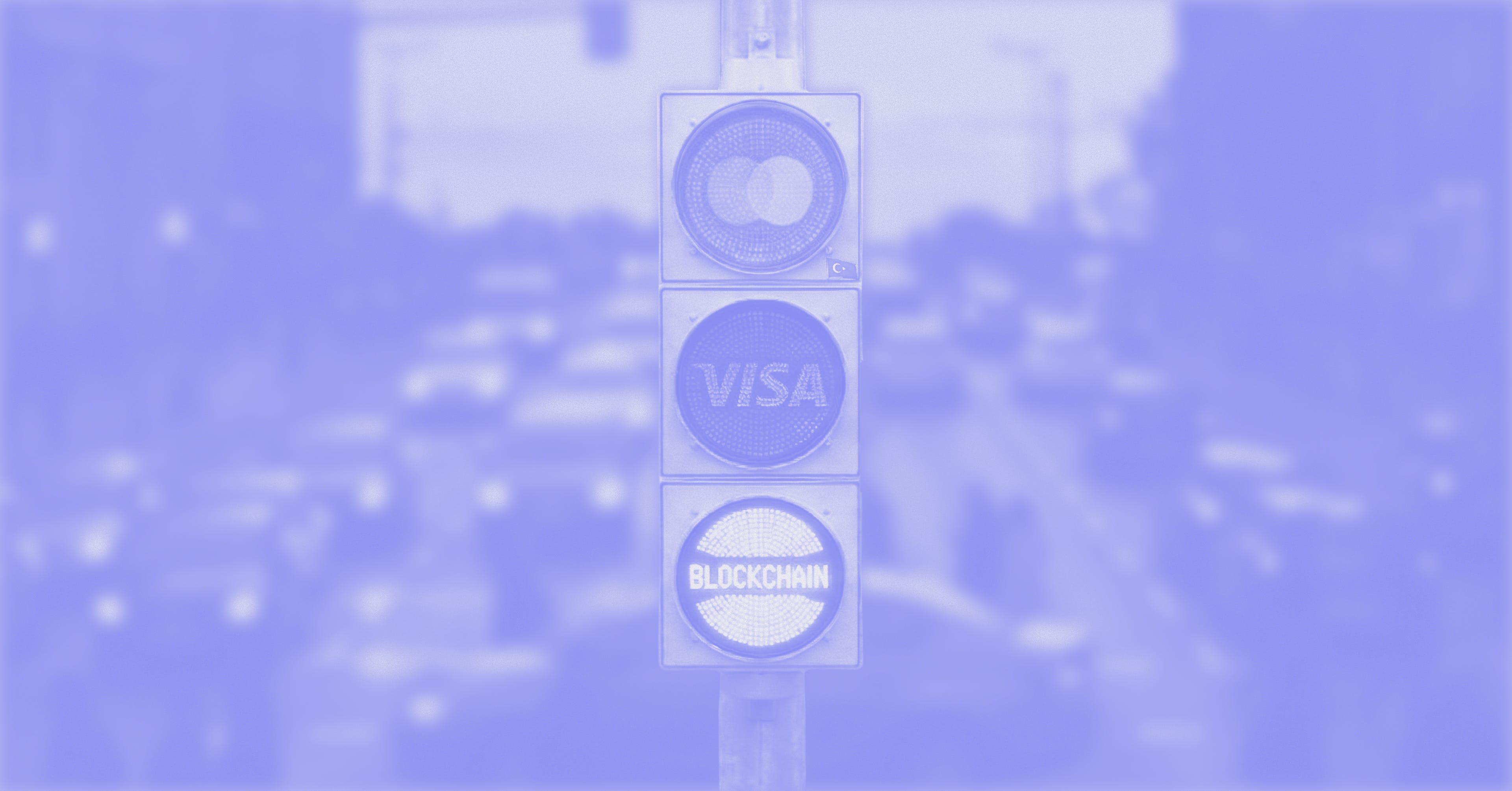
🟧 Stablecoin integration accelerated in institutional payment flows. Mastercard announced it agreed to acquire BVNK to connect on chain payments with fiat payment rails and improve interoperability. *
🟩 The DLT capital markets thesis became more tangible. Bank of Canada and partners announced they completed a real world tokenised bond issuance and settlement experiment. *
March
Türkiye
🟧 SPK Decision 18/617 extended CASP timelines, the new date has not been announced yet
With its 26 March 2026 Decision 18/617, SPK extended the timeline for platforms to sign custody agreements with custody institutions and submit them to the Board, and extended the operating authorisation timeline for CASPs listed on the Operating Entities List. The decision says the new schedule will be determined after custody institutions are authorised and custody services become widely and effectively available to platforms. * *
🟧 Remote identity verification and electronic contracting rules were extended to cover CASPs
A communiqué amendment published in the Official Gazette on 28 February 2026 extended the framework for remote identity verification and establishing contracts electronically to cryptoasset service providers, alongside investment firms and portfolio management companies. This means CASPs will need to standardise remote onboarding, electronic evidence generation, and record retention processes. * *
🟧 A new channel and workflow went live for CASP opinion requests, with stronger TSPB coordination
TSPB General Letter No 939 announced a workflow where opinion requests from CASPs listed on the Operating Entities List are first submitted to TSPB, consolidated where similar, and then forwarded to SPK based on an Opinion Assessment and Request Form. This introduces a process framework to make industry feedback more structured and improve submission quality. *
🟧 CARF readiness is a long runway signal with high operational impact, Türkiye is in the 2028 plans
OECD’s commitment list shows Türkiye’s target for its first CARF information exchange as 2028. This may require medium term preparation across exchanges, custodians and institutions around client matching, data models, reporting fields, and audit trail evidence. *
Global
🟥 FATF is making technical and governance controls across the stablecoin ecosystem more explicit. The report highlights expectations such as issuers being able to stop interactions with high risk addresses in secondary markets, stronger screening, and more robust customer due diligence at redemption. * *
🟧 The UK continues to adjust the client assets rulebook at handbook level as the broader crypto regime develops. In Quarterly Consultation Paper No 51, the FCA proposes consequential changes to keep the CASS framework workable for cryptoasset activities and the new regime. *
🟧 Scotland passed a bill that clarifies digital assets within property law. It will enter into force after Royal Assent. *
🟧 Pakistan said it formalised a statutory crypto regulatory authority through the Virtual Assets Act, including penalties for unlicensed activity. *
🟧 Sanctions compliance and Iran linked flows remain a core narrative in the US. Binance told a US Senate probe it found no evidence of accounts sending crypto directly to Iran and said it conducted a review. *
🟧 US political rhetoric is sharpening around stablecoin regulation and the banking lobby. Trump’s comments blaming banks reignited debate on the stablecoin framework and broader market structure discussions. *
🟧 US national cyber strategy explicitly mentioned support for crypto and blockchain security. This pushes product security and supply chain security for crypto infrastructure further into mainstream state policy. *
🟩 BIS published a paper on tokenomics and chain fragmentation. For institutional readers the takeaway is that security and scaling costs are structural, and a multi chain market may be durable. *
Next month watchlist
UK: as CP26 8 deadlines approach, watch how crypto related client assets changes are shaped. *
CARF: in 2028 wave jurisdictions, scope and reporting data fields should become clearer over time. *
US: once CFTC guidance lands for perpetual futures, exchange design and risk frameworks will likely update quickly. *
node101
Staying ahead in blockchain requires continuous learning. That’s why we publish in depth articles every week, covering topics from DeFi mechanics to scaling solutions.