



Agenda
🟥 Türkiye entered a new phase of crypto asset market data transparency.
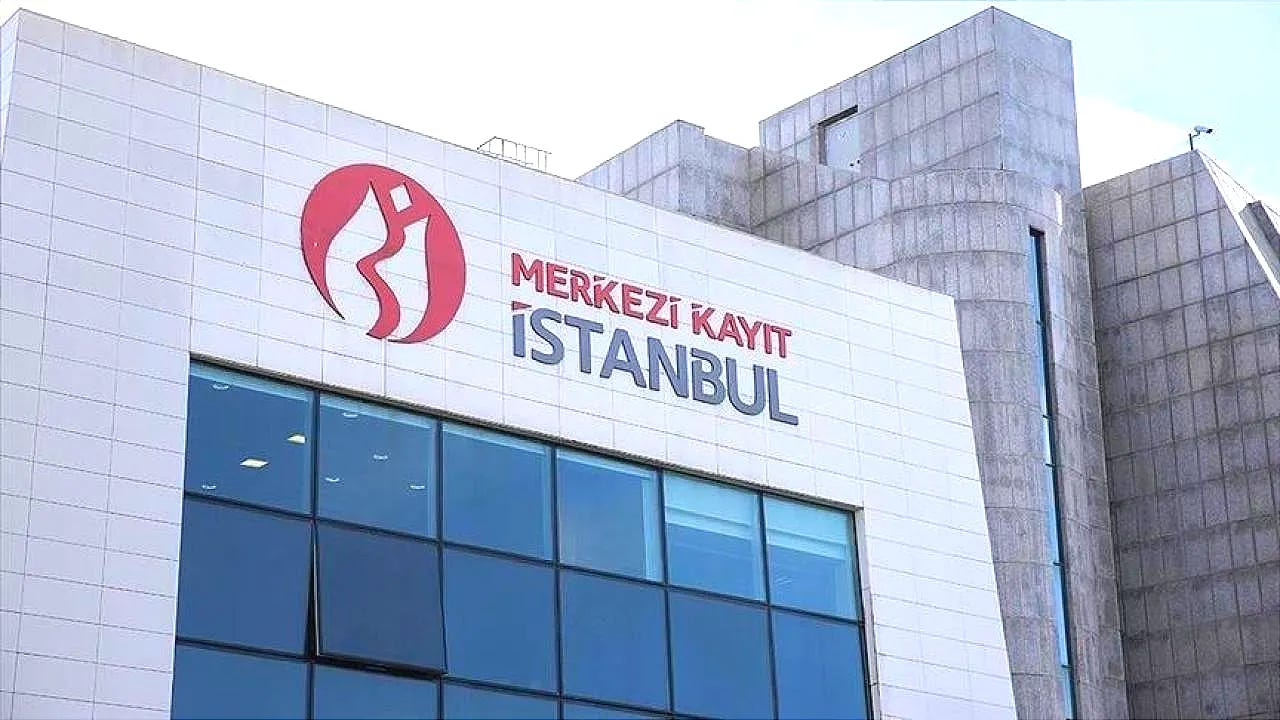
MKK started publishing daily core market data reported by crypto asset service providers through KVMKS. As of 15 July, it was announced that 53 CASPs had completed their MKK membership processes, approximately 5.6 million investors had traded on platforms to date, and around 3.2 million investors had balances. *
🟥 MiCA is now fully in implementation across Europe.
With its 16 July 2026 update, ESMA’s Interim MiCA Register continues to bring authorised crypto asset service providers, whitepaper records, e-money token issuers and non-compliant entities into a single reference point. *
🟥 ESMA selected custody as one of the first major supervisory focus areas after MiCA.
ESMA launched a common supervisory action to examine the digital operational resilience of crypto asset service providers in their custody activities. Focus areas include key management, custody architecture, transaction controls, incident detection, smart contract risks and third-party dependencies. *
🟧 The European Commission continues to collect feedback for the MiCA review.
The targeted consultation aims to assess whether MiCA remains fit for purpose in light of its first implementation outcomes and market developments. The deadline is 30 September 2026. This process may lay the groundwork for MiCA 2 discussions around stablecoins, tokenisation, DeFi and service provider obligations. *
🟧 BIS is bringing stablecoins back into its core agenda.
A study dated 21 July 2026 discusses how stablecoins could strengthen digital dollarisation in emerging economies and create implications for monetary policy transmission and financial stability. *
🟧 BIS treats blockchain infrastructure as financial infrastructure.
It also frames blockchain fragmentation not merely as a technical issue, but as a market structure problem. The 6 July 2026 bulletin highlights that different consensus designs make different trade-offs between security, scalability and decentralisation, which can increase fragmentation across liquidity, assets and infrastructure. *
🟥 EU sanctions directly targeted crypto services.
The 21st Russia sanctions package, adopted on 23 July 2026, introduces the possibility of third-country bans for crypto asset services and transaction bans on certain third-country crypto platforms. This shows that crypto infrastructure is becoming a more direct target in sanctions evasion risk. * *
🟧 The CLARITY Act reached another critical point in the US, but the timeline tightened.
The Senate is struggling to bring the crypto market structure package to a vote before the summer recess. The debate continues around stablecoin rewards, ethics provisions, consumer protection, and the SEC-CFTC jurisdictional perimeter. * *
🟧 The UK crypto regime moved into the operational preparation phase.
The FCA reminds firms that it has published final rules and guidance for the new crypto asset regime, that the authorisation gateway will open on 30 September 2026, and that the new regime will begin on 25 October 2027. * *
🟧 The federal-state jurisdiction fight over prediction markets is intensifying in the United States.
A federal court temporarily blocked enforcement of Minnesota’s prediction market ban. The CFTC, Kalshi and Polymarket argue that these products should be treated under the federal commodities derivatives regime, while states are trying to limit them under gambling regulations. This debate shows that jurisdictional boundaries between regulators remain unresolved for tokenised markets and event contract products. *
🟩 The Bank of England made its tokenised money agenda more explicit.
Andrew Bailey’s July speech made tokenised deposits, the Digital Securities Sandbox and the digital gilt link more visible in the UK. The Bank of England connects programmable payments with real economy problems through tokenised money design and synchronisation infrastructure. This suggests tokenisation is increasingly being viewed not only as a capital markets efficiency tool, but also as a way to address payment delays, fraud and trade processes. *

Post-MiCA EU market
New authorisations, non-compliant entities and which countries become more active under ESMA’s custody supervision should be tracked through ESMA’s Interim MiCA Register. * *
Türkiye KVMKS data
MKK’s daily KVMKS data may become Türkiye’s first regular public dataset for the crypto market in terms of investor count, investors with balances, total market value and CASP memberships. *
CLARITY Act
As the US Senate heads into summer recess, the September timeline for the CLARITY Act, the SEC-CFTC jurisdictional split and the stablecoin reward debate should be monitored. *
UK authorisation gateway
Ahead of the FCA authorisation gateway opening on 30 September 2026, platforms serving the UK should review their application strategy and cross-border service models. *
EU sanctions and crypto
How the EU uses its third-country crypto services ban tool will be critical for crypto platforms’ sanctions risk management. *
node101
Staying ahead in blockchain requires continuous learning. Blockchain Regulation Journal provides a concise monthly flow of the key information you need to know.